
Magick
Magick
Your Magick Ability - Something Mystical and Bewitching
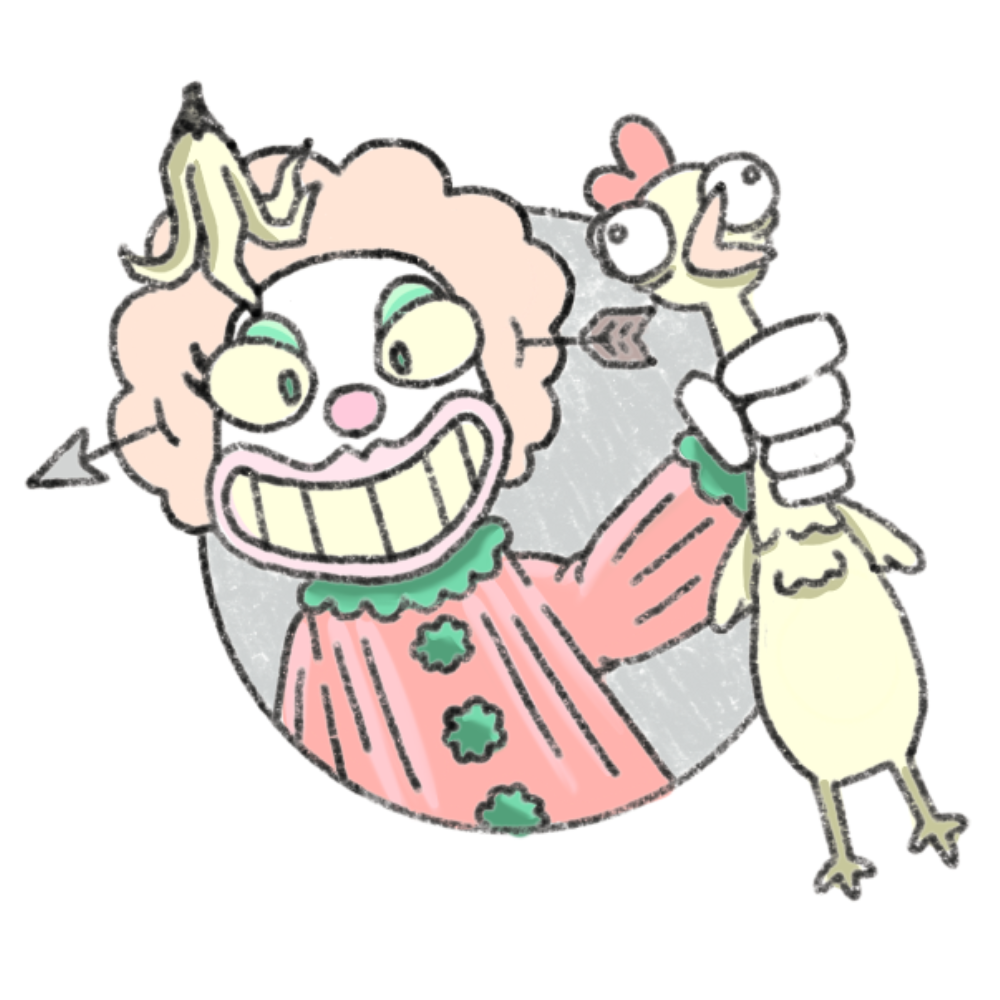
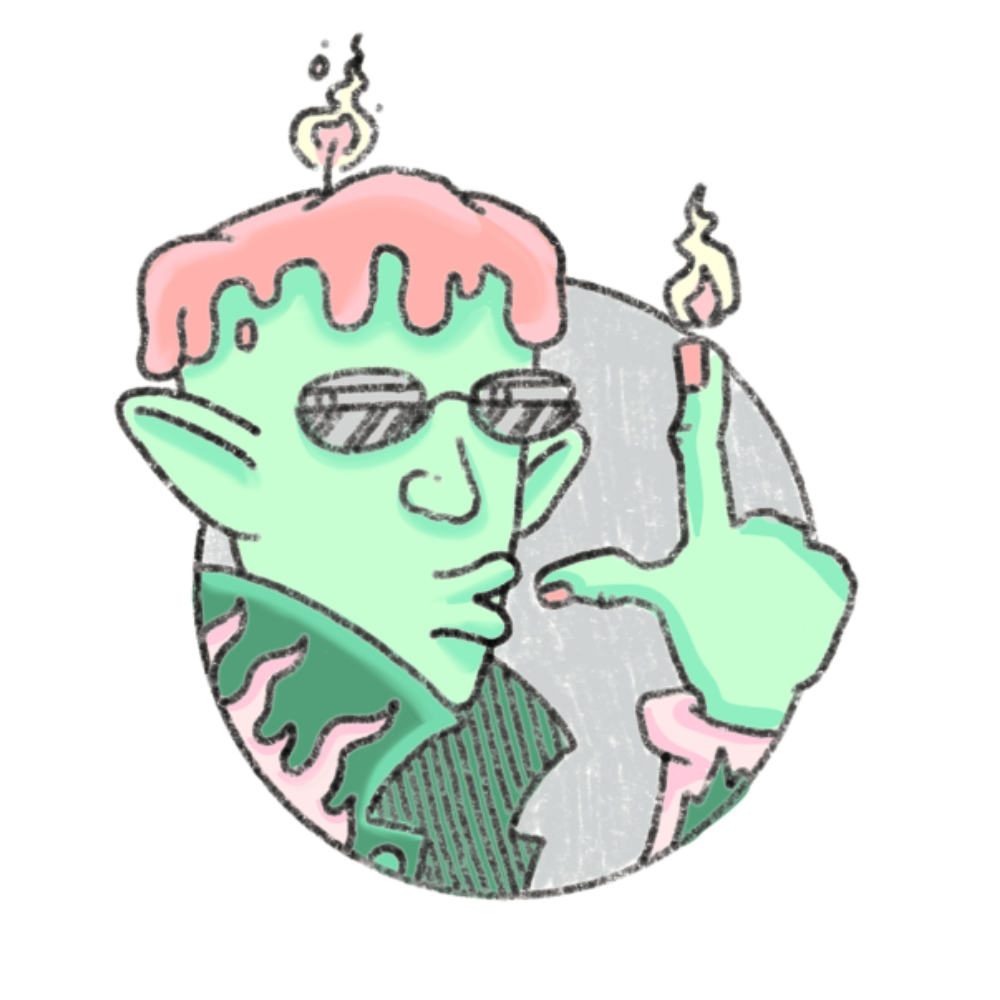
Slapstick Comedy doesn’t obey the City’s physics, only its timing. Performers duck behind tin cans that shouldn’t hide anything, dive into shadows like trapdoors, and pull entire situations out of a hat that was empty a moment ago. Bones stretch, bodies flatten, and pain becomes optional as long as the bit lands. Reality plays along because it’s embarrassing not to.
The High Wizards call it nonsense because it refuses to be diagrammed. Slapstick Comedy thrives on confidence, misdirection, and the shared agreement that this is funny, actually. Doors go where they need to, gravity waits for applause, and Wizard City looks the other way. In Wizard City, Slapstick is proof that Magick works best when it’s laughing at itself.
Slapstick Comedy
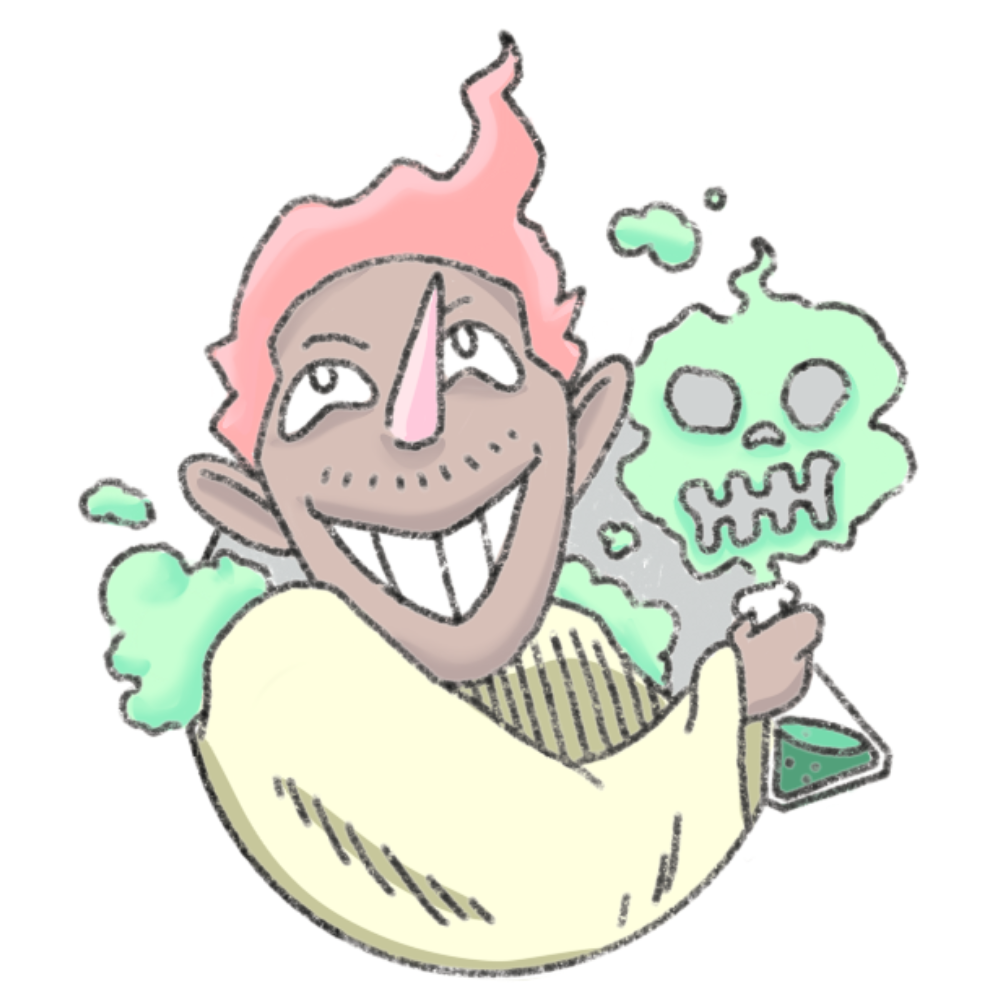
Smelly Poison is the kind of Magick that announces itself before it does any real damage. It seeps, lingers, and clings to everything it touches, a fog of rot, sulfur, and regret that turns stomachs faster than it drops bodies. It rarely kills outright, preferring humiliation, nausea, confusion, and the slow erosion of dignity.
Wizards underestimate it because it’s crude and obvious. That’s the mistake. Smelly Poison clears rooms, breaks formations, and makes even the bravest hero reconsider their life choices. In Wizard City, where appearances matter almost as much as survival, few things are more dangerous than a threat you can’t breathe through.
Smelly Poison
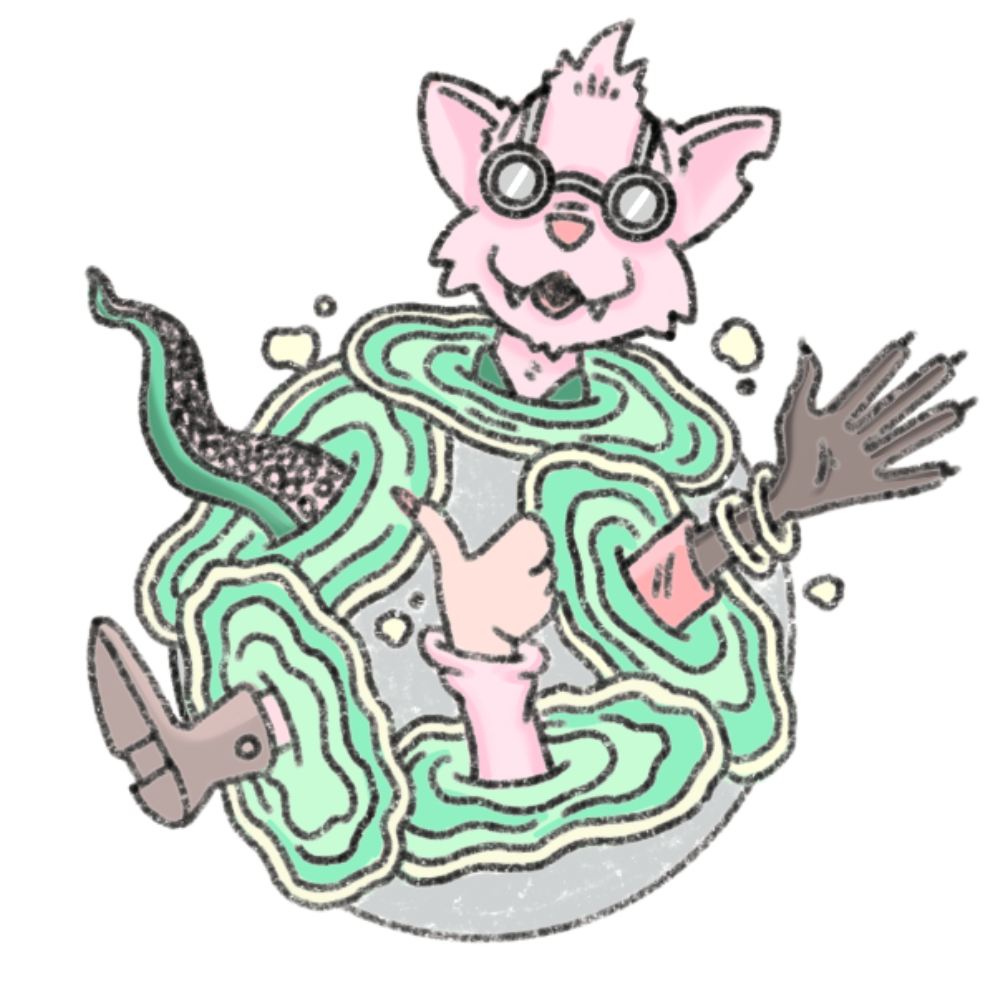
Portal Specialists treat space like a flexible suggestion. Doors open where walls should be, alleys loop back into themselves, and a wrong turn can drop you three blocks over or three years late. They don’t tear holes in reality so much as convince it to briefly misplace things.
In Wizard City, Portal Specialists are indispensable and deeply untrusted. Every shortcut costs something, even if no one can say what until later. They swear their routes are stable, their exits intentional, and their maps up to date. Most of the time, they’re right. The rest of the time, Wizard City quietly adds another place no one remembers building. Thee, the King Of Wizard City was the first to discover how to use portals magickally by total accident.
Portal Specialist

Fairy
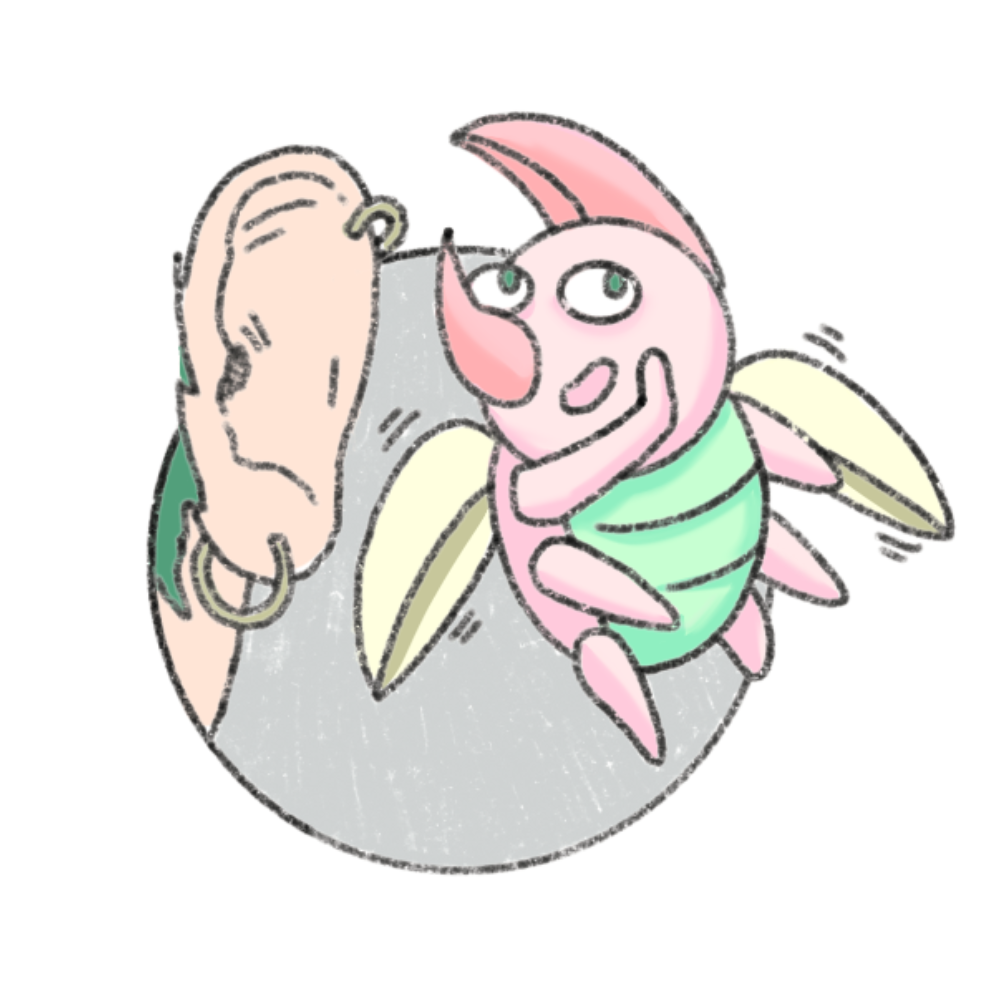
Fairy Magick is sharp, and impossible to fully account for. It can slip through cracks in Wizard City. This Magick was never meant to get inside the city let alone exist. Glowing colors leaving behind glitter, rumors, and mild structural damage. Fairy Magick trade in favors, secrets, and inconveniences, operating on rules no one else agreed to but everyone somehow follows.
In Wizard City, Fairy Magick is rare and powerful in the obvious sense, and dangerous. A single spell is a nuisance. A dozen become a system. Be wary about chasing their rainbows, the owner of its pot of gold may try to hex you.
Bug Whispers listen to Wizard City at its smallest scale. Ants, beetles, roaches, and things with too many legs all answer to them, not through command but collaboration. They understand hive minds, reading shifts in frequency, pheromones, and hormonal signals the way others read weather charts. Bug Whispers don’t give orders, they tune in, syncing themselves to the rhythm of the swarm.
In Wizard City, bugs operate as a living network. Through vibration, scent, and instinct, entire colonies move as one, sharing memory and intent. A Bug Whisper knows how to nudge that system without breaking it, guiding thousands through subtle signals instead of force. They know which buildings hum wrong, which streets are stressed, and which secrets have been overheard by a thousand tiny witnesses. Wizards laugh until the swarm responds in perfect, unsettling unison.
Bug Whisperer
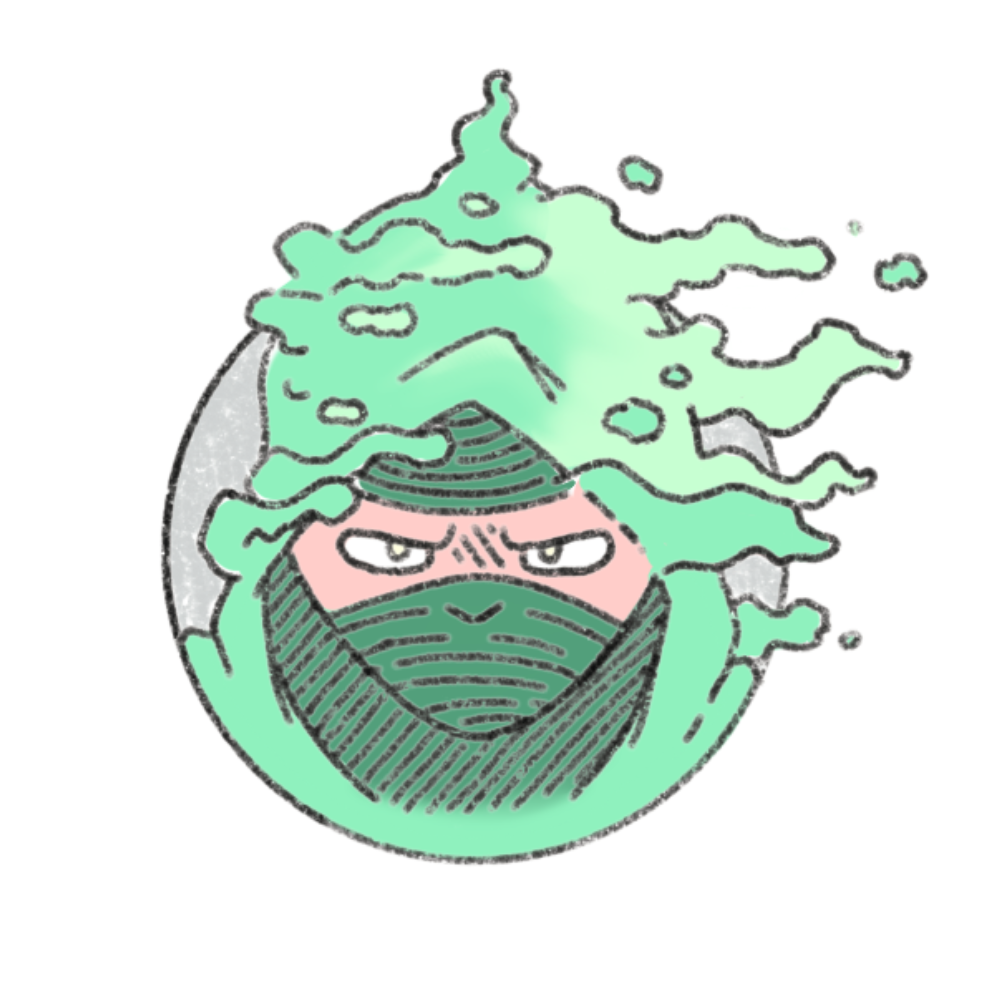
Hidden Shadows live where Wizard City forgets to look. They slip into gaps between light and attention, stretching corners deeper than they should be and bending shadows into shapes that feel other worldly.
Hidden Shadows don’t vanish, they distort and bend the light. They fold themselves into silhouettes slipping their bodies through overlapping shadows. A true master of the hidden shadows lets darkness behave in ways it was never meant to. In Wizard City, shadows are supposed to follow rules. When they don’t, it’s because a master of the Hidden Shadow is standing inside them, waiting.
Hidden Shadow
Fire
Fire is the oldest Magick in Wizard City, and it still kills every time. Someone points, something ignites, and suddenly everyone is very serious about safety regulations they ignored before wizards were giggling. Fire doesn’t need subtlety, symbolism, or permission. It just shows up and starts solving problems loudly.
Wizards insist fire is a tool. Fire insists it’s an outcome. It spreads, consumes, warms, destroys, and occasionally gets out of hand because someone said “LOL” right before casting it. In Wizard City, fire is proof that some Magick exists purely to remind everyone why rules were invented in the first place.
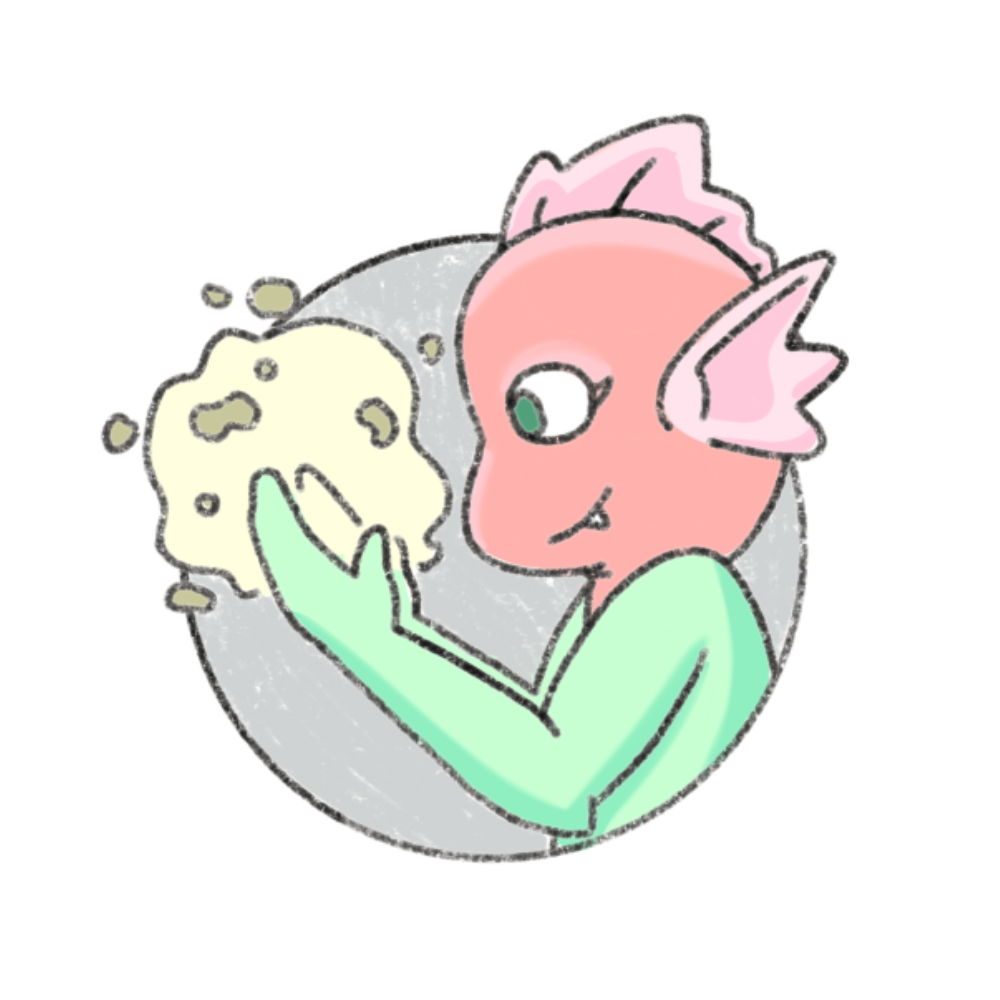
Water Magick never rushes, and it never forgets. It slips through cracks, waits out walls, and reshapes the City one patient drip at a time. Where fire announces itself, water negotiates, pooling, eroding, and carrying things away long after the moment has passed. Salt, fresh, ice cold, boiling hot, fresh, dirty whatever flavor you can bend it.
In Wizard City, water is memory given motion. It remembers every spill, flood, and quiet drowning, and it carries those stories forward whether anyone asks it to or not. Water Magick heals, cleanses, and destroys with the same calm indifference. It does not fight resistance. It outlasts it.
Water
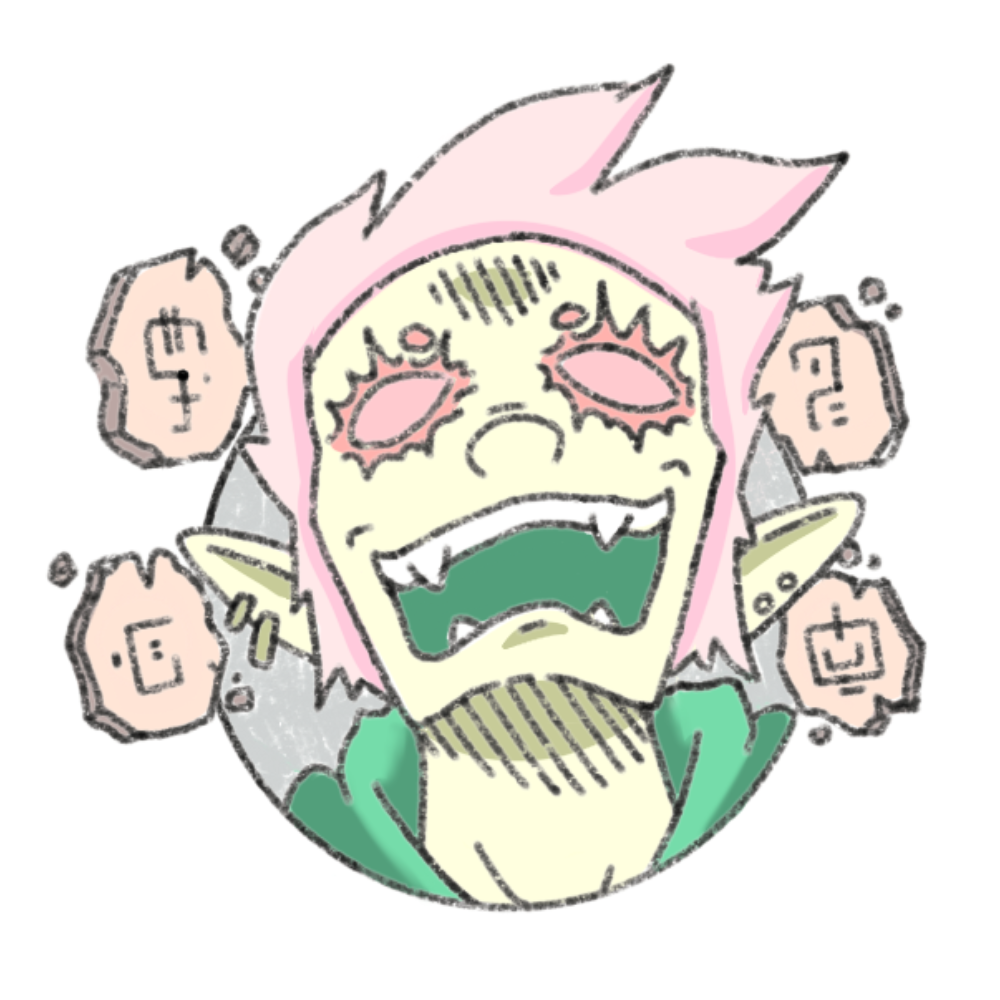
The Cursed don’t all look the same, but the effect is unmistakable. They cast hexes, bargain with demons, speak casually with ghosts, and bend bad outcomes into place with alarming ease. Sometimes it’s ritual and intent. Sometimes it’s as simple as a look, a word, or spitting on the ground in someone’s direction and watching their luck unravel for weeks.
In Wizard City, curses are versatile and deeply unfair. They can be deliberate weapons or unconscious habits, shaping fate whether the Cursed mean to or not. Demons listen to them. Ghosts answer back. Probability tilts. Wizard City tolerates them because curses are useful, but everyone keeps their distance. After all, when misfortune follows someone that closely, it’s never clear who’s next.
Cursed
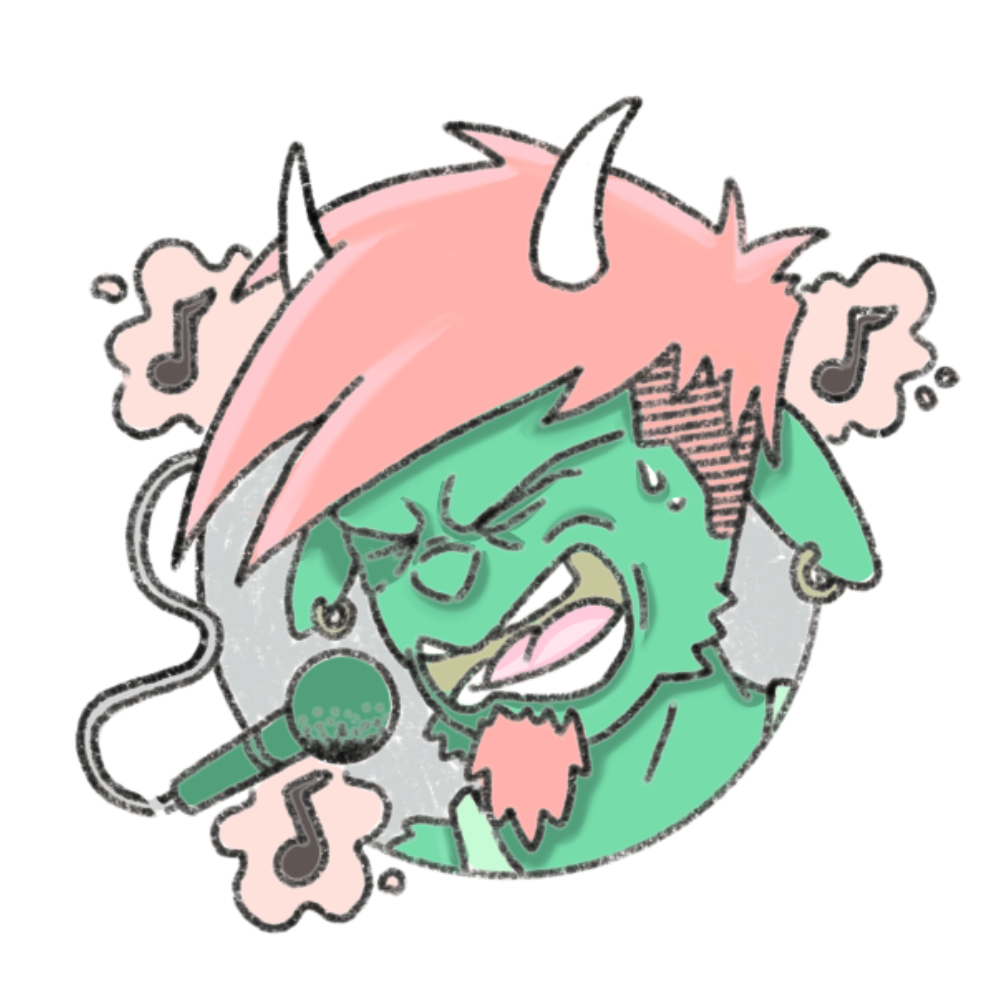
Music in Wizard City is not just noise, it’s infrastructure. It sets tempo, mood, and momentum, slipping past wards and reason alike. A melody can open doors, steady shaking hands, or push a crowd toward decisions they swear were their own. Notes linger in the air long after the sound fades, vibrating through stone, and bone, making memory.
Musicians don’t just play, they tune into Wizard City. Rhythm bends time just enough to matter, harmony smooths conflict, and dissonance sharpens it. In Wizard City, spells can fail, words can lie, but a song heard at the right moment will always land exactly where it’s meant to.
Music
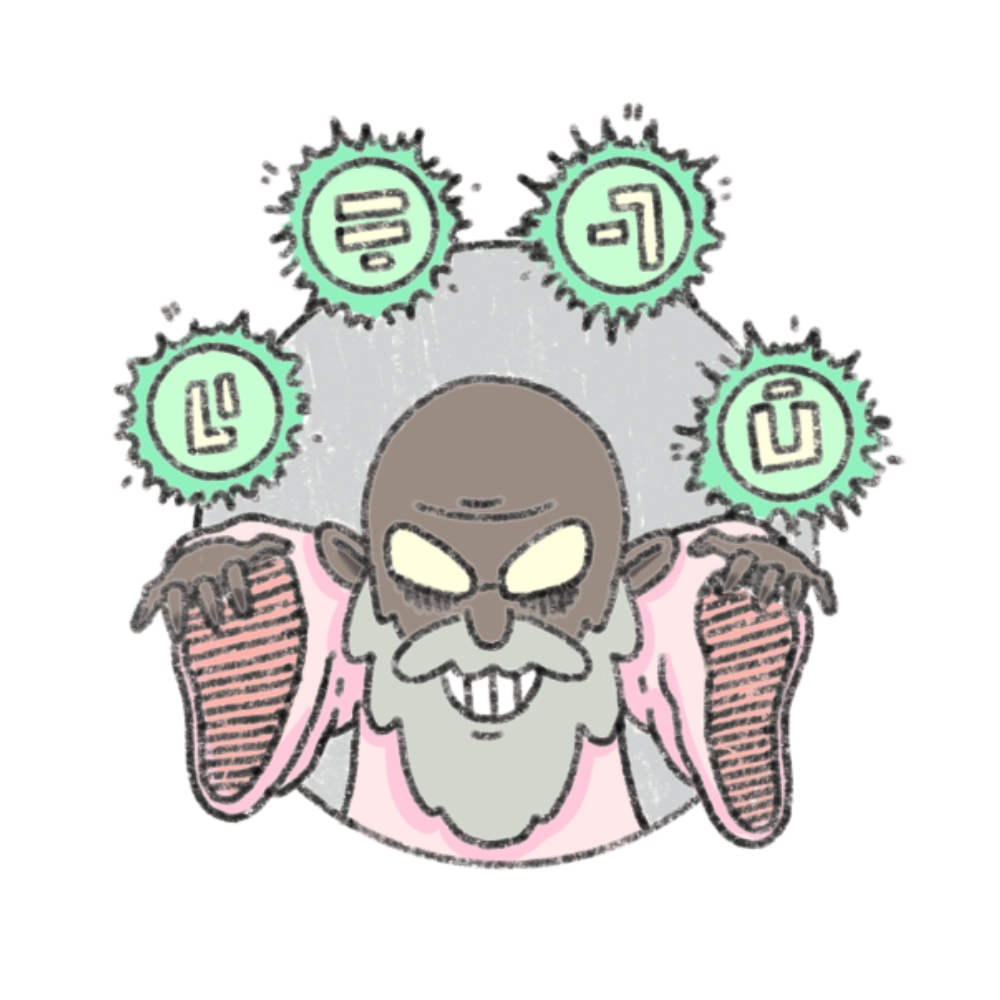
Esoteric Magick in Wizard City isn’t about casting, it’s about listening long enough for the world to explain itself. It pulls from all systems, channelings, glyphs, and symbolic languages that describe how everything fits together when no one is watching. Practitioners don’t throw spells, they trace meaning, align patterns, and let understanding do the heavy lifting.
This kind of Magick works sideways. Glyphs don’t open doors, they reveal why the door exists. Channels don’t summon power, they tune the caster to it. In Wizard City, Esoteric Magick doesn’t change the world directly. It changes how the world makes sense, which is usually more dangerous.
Esoteric
Third Eye
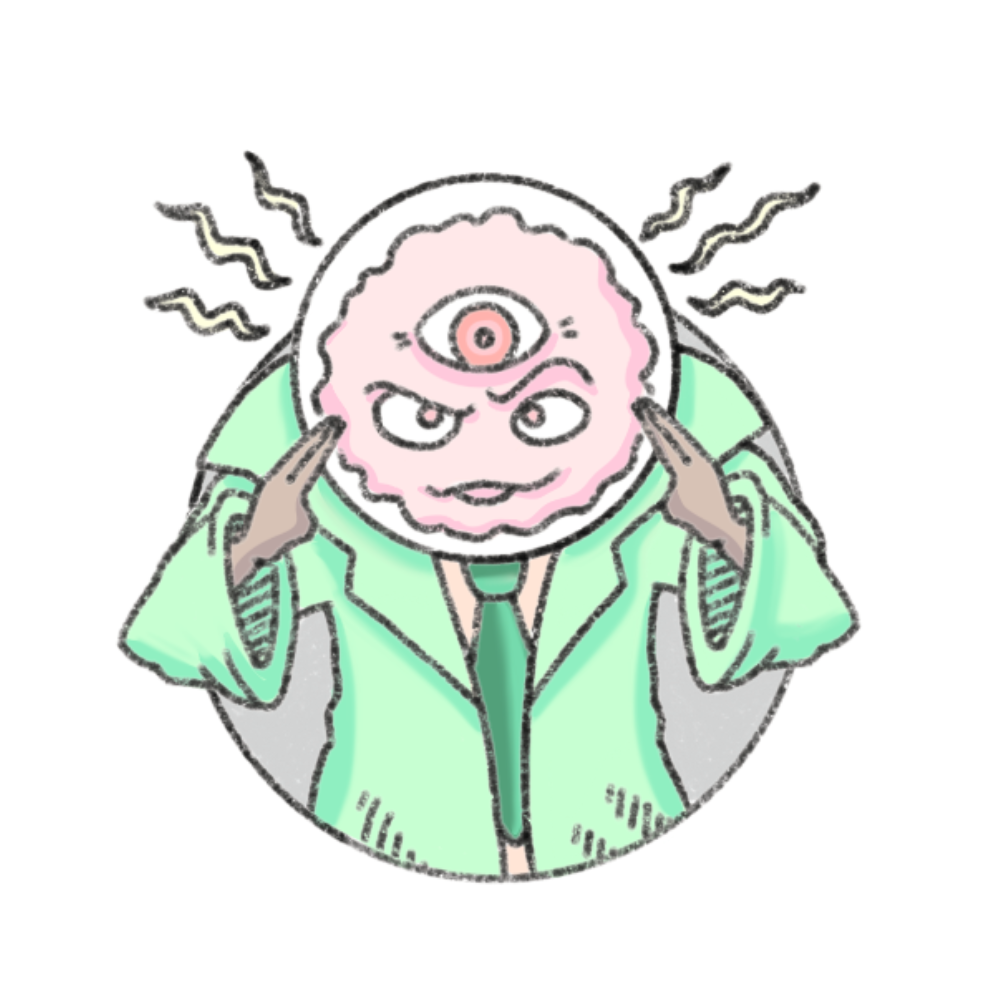
Third Eye Magick cracks the mind open like an egg and leaves it frying that way. Practitioners bend thought, and perception. Peering past the surface of reality into the raw signal underneath. Minds are read, pushed, folded, and occasionally broken, not through words or gestures, but focus alone.
In Wizard City, Third Eye users know things before they’re said, react to thoughts and stare just a little too long. This mMagick doesn’t care about consent or comfort. Once the Third Eye opens, Wizard City has a habit of staring back.
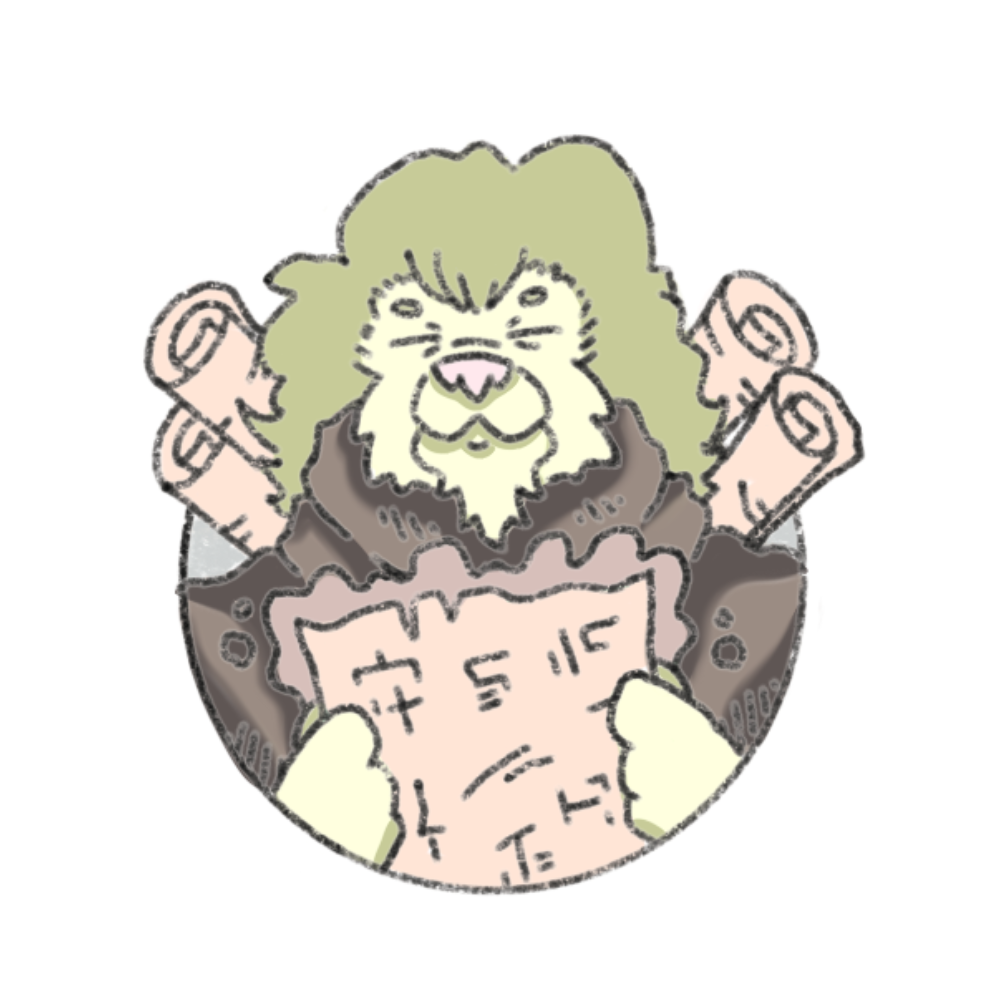
Ancient Magick feels older than Wizard City and kinder than it deserves. It hums beneath stone and the city’s story alike. Ancient Magick is bound to vows, seasons, names, and the quiet rules that existed before Wizards started arguing about them. This is the Magick of deep time, of promises kept and broken, of power that does not rush and does not forget.
In Wizard City, Ancient Magick answers to no Council and recognizes no authority but its own order. It rewards humility, punishes arrogance, and moves according to laws written into the bones of the world. When it stirs, Wizard City grows still, because everyone knows this Magick doesn’t bend to cleverness. It waits, and it always collects what it’s owed. Rules are Rules.
Ancient

Love Magick is older than spellcraft and far less predictable. Love binds, breaks, heals, and ruins with equal enthusiasm, slipping past wards that stop everything else. Love doesn’t need incantations or components; it takes root in choice, longing, and sacrifice, and once it starts working, it refuses to be neat.
In Wizard City, love is treated as a dangerous force precisely because it can’t be regulated. It makes heroes reckless, villains merciful, and smart people do profoundly stupid things. Councils don’t legislate it, Wizards don’t chart it, and yet it reshapes the City more reliably than any other Magick.
Love
Illustrations by Ian Chamberlin @doodle_goblin
Color by Hannah Salim @artby_hssalim